Skip links
Essential Requirements for Tokenized Securities: Bonds, Equities, and Structured Products
For tokenized securities to become true digital assets, even basic financial functions like dividends, coupons, and maturity must be automated, yet most current solutions still rely on manual processing. Implementing the complex time-based event processing and payment structures required for each security demands a new architecture capable of real-time state reflection and automatic execution, requiring bidirectional state synchronization between on-chain and off-chain systems.
Oraclizer Core ⋅ Nov 02, 2025

From Philosophy to Reality: Why Enforceability Demands Its Own Standard
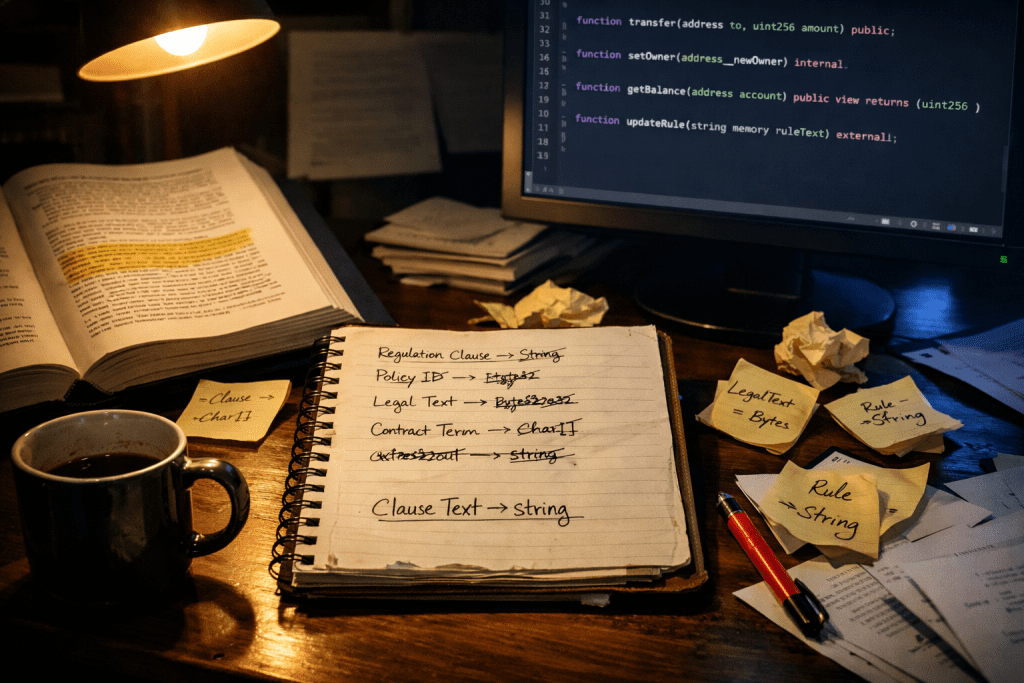
A fundamental gap exists between philosophical principles and executable code, and simple conceptual frameworks alone cannot secure actual regulatory enforcement. Informational EIPs define "what should be done" but suffer from structural limitations in presenting "how to implement". Regulatory authorities require actionable technical means, not recommendations, which must be implemented at the code level.
Oraclizer Core ⋅ Nov 01, 2025
Service Revenue Foundation: From Customer Payments to System Distribution for State Synchronization Economy Sustainability
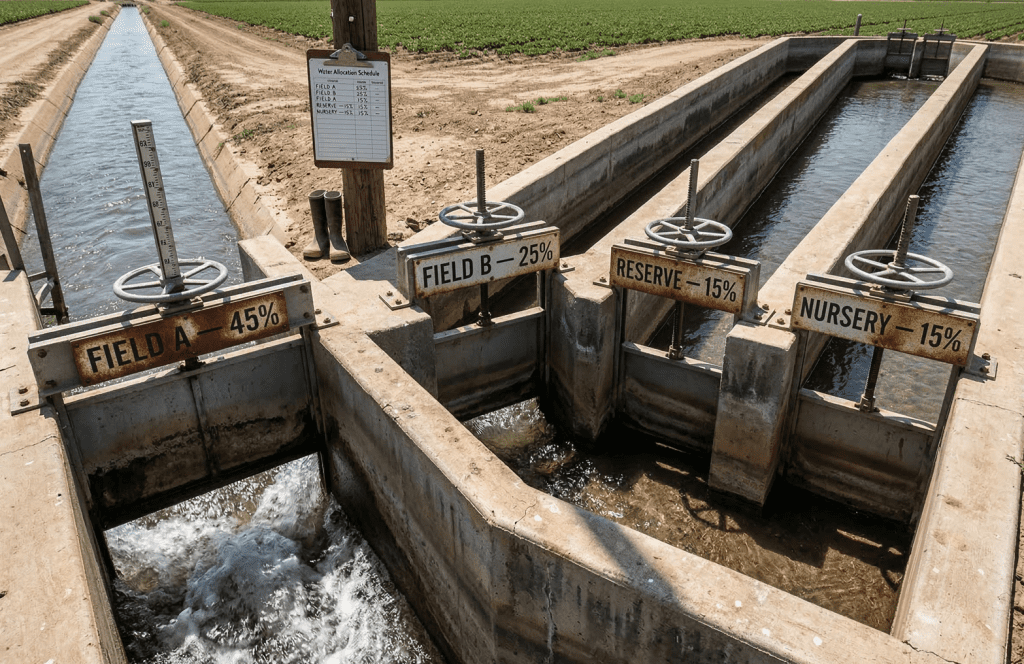
Having validated the execution feasibility of the 3-tier pricing strategy, we mathematically demonstrated that a 4-way revenue distribution mechanism (nodes 45%, operations 25%, insurance 15%, development 15%) meets all stakeholder needs. Utilizing an OZ token payment system and tier-differentiated insurance contribution, we reduced node tail risk by 73% and secured profitability within three years
Oraclizer Core ⋅ Oct 26, 2025
Asset State Management Complexity: Introducing Lock Status Architecture
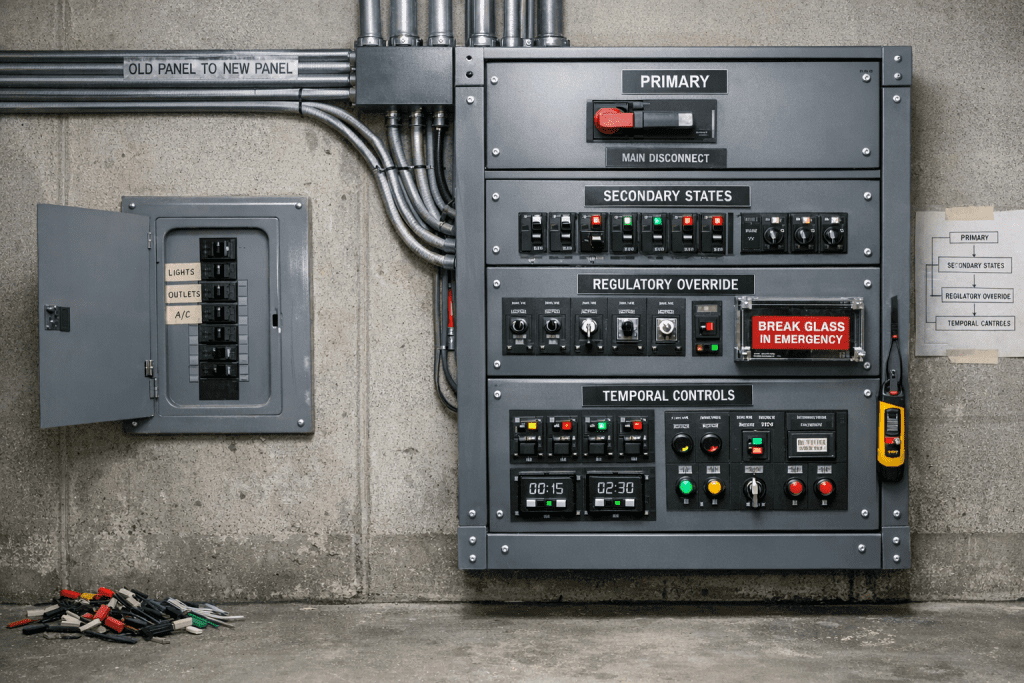
Simple 5-tier lock states could not fully resolve priority conflicts between regulatory authorities, time-based state transitions, and cross-chain atomicity issues. This research presents implementation approaches to meet complex real-world financial system requirements through State Transition Automata-based methodologies and Hierarchical Lock Mechanisms.
Oraclizer Core ⋅ Oct 25, 2025
From Node Risk Imbalance to Multi-Tier Economics: Designing Sustainable Oracle Rewards
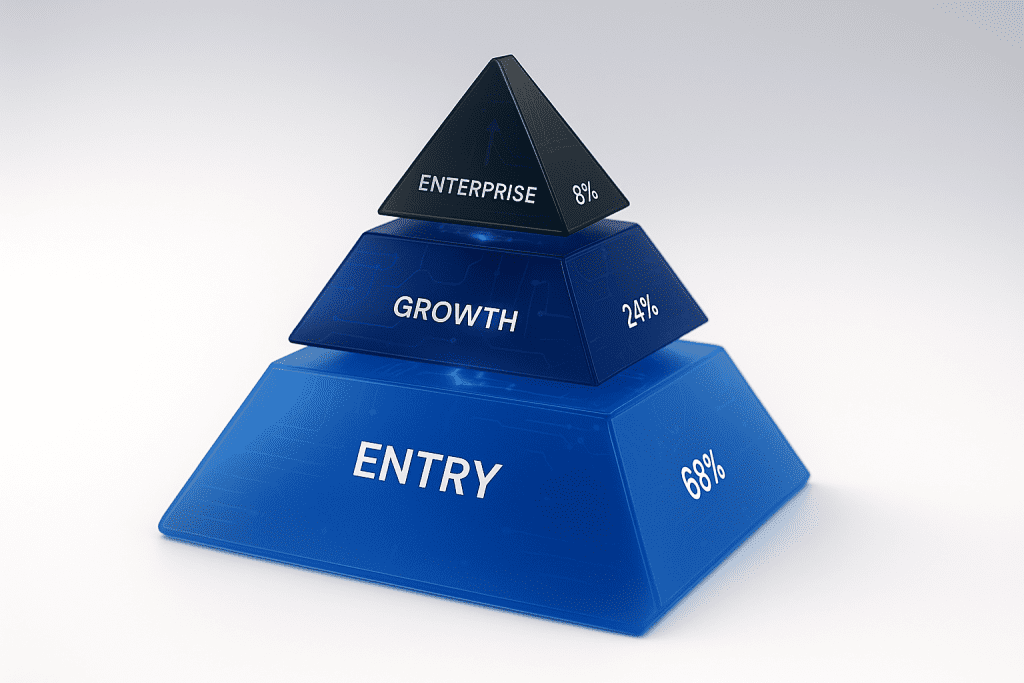
This research mathematically proves how a multi-layered strategy comprising Entry Level (Session-based Package), Growth Level (Prepaid Credits), and Enterprise Level (Flat Subscription) can establish risk hedging mechanisms for node operators while ensuring system-wide economic sustainability through cross-subsidization.
Oraclizer Core ⋅ Oct 17, 2025
Cost Structure Analysis: The Economics of Continuous State Flow in State Synchronization Economy
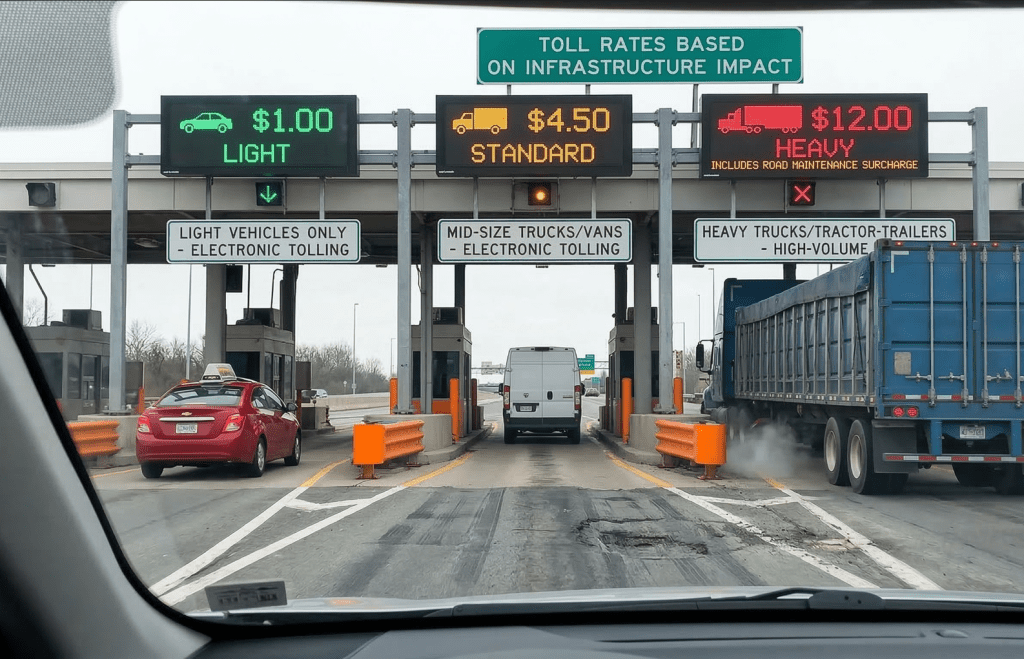
Continuous state synchronization exhibits fundamentally different cost structures than discrete API calls, and we mathematically prove that a single pricing model cannot fairly handle all usage frequencies. By introducing the Oracle Session concept, we clearly distinguish between fixed costs (initial connection) and variable costs (intra-session synchronization), deriving boundary values for three distinct frequency bands.
Oraclizer Core ⋅ Oct 11, 2025
From Theory to Implementation: Architectural Design for RCP Codification
This article explores how Traceability, Privacy, Enforceability, Finality, and Tokenizability are converted into an interdependent modular system, candidly sharing the design decisions we faced. We delve deeply into our ERC-1400 interface compatibility strategy, Diamond Pattern-based modular architecture, and the quest for balance between upgradability and immutability.
Oraclizer Core ⋅ Oct 09, 2025
Sparse Merkle Trees in Oracle State Synchronization: The Mathematical Necessity Beyond Choice
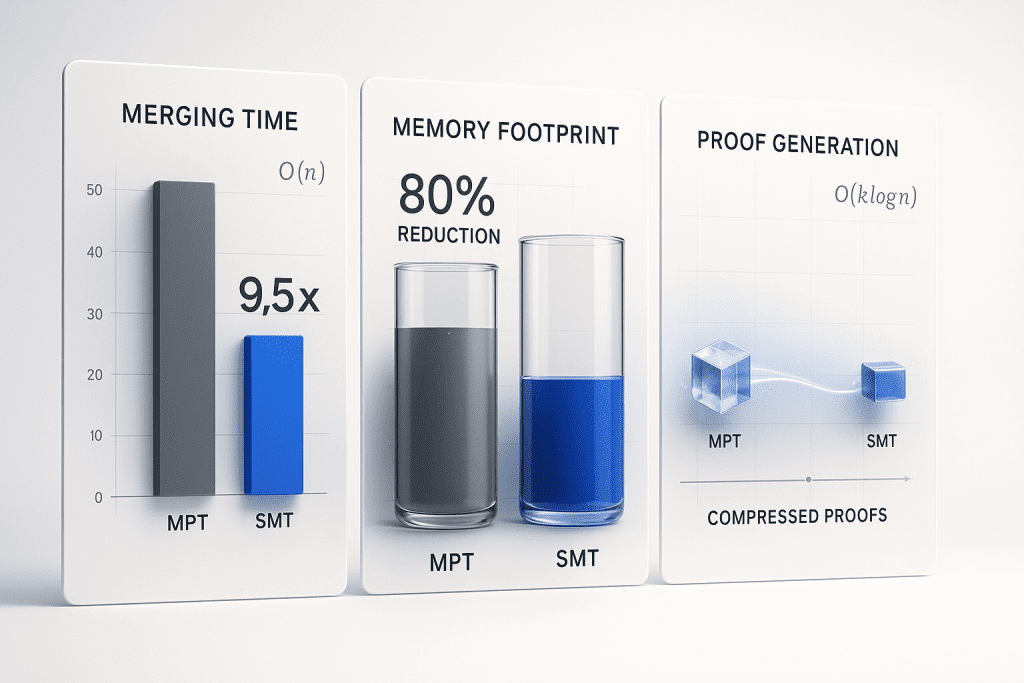
In particular, we present mathematical proofs demonstrating how Merkle Patricia Trie's (MPT) path compression creates non-deterministic tree structures during state merging, and how variable depth makes consistency guarantees impossible in cross-chain verification. This reveals that Oraclizer's adoption of SMT was not merely a technical stack selection, but the only viable path to achieve state synchronization.
Oraclizer Core ⋅ Oct 04, 2025
State Subscription: Blockchain’s First Subscription Economy Revolution
For the first time in blockchain history, we're proposing a paradigm shift from pay-per-transaction to continuous service subscription. State Subscription is an innovative concept combining technical state subscription with economic subscription payments, breaking the 15-year-old paradigm of one-time blockchain transactions and presenting Web3's first true subscription economic model.
Oraclizer Core ⋅ Sep 27, 2025
Economic Sustainability Model of the State Machine: State Subscription
Our journey has now opened a new chapter. Through our first Economy article, "State Subscription: Blockchain's First Recurring Payment Revolution," we will begin exploring the world of the state subscription economy in earnest. This new research goes beyond simple economic model design to address a fundamental paradigm shift in blockchain economics. We will explore the transition from one-time transactions to continuous services, from linear value creation to network effects, and from risk concentration to risk distribution.
Oraclizer Core ⋅ Sep 24, 2025